

.png)


Mercedes Sprinter Security Lock Guide
- bobb56
- Jul 4
- 6 min read

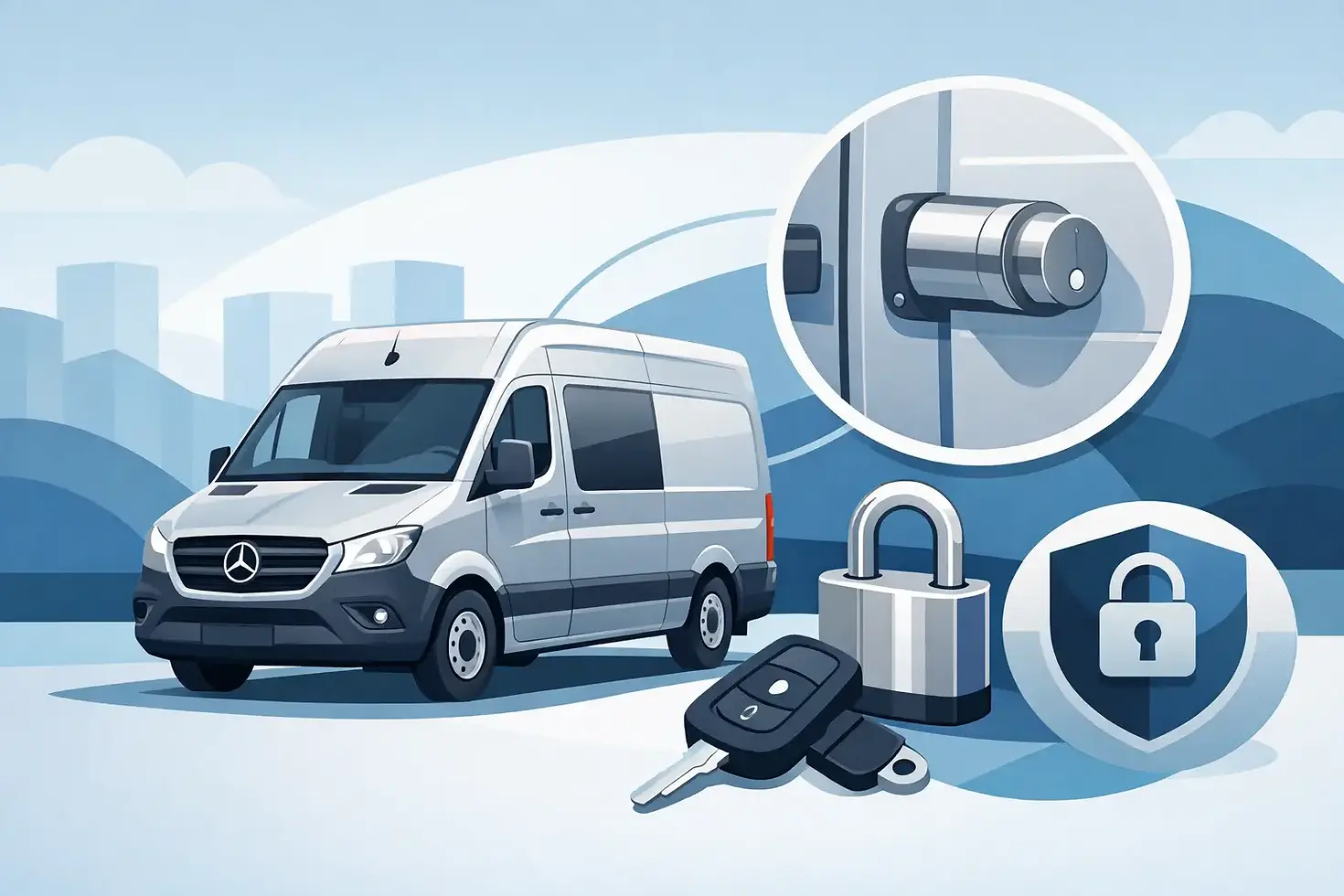
A stolen van door usually does not start with a key. It starts with a pry bar, a peeled edge, or a quick attack on the factory locking system. That is exactly why a Mercedes Sprinter security lock matters. If your van carries tools, diagnostic gear, parts, or job stock, standard door locks are not enough on their own.
The Sprinter is a solid working platform, but like most commercial vans, it is built for access, not maximum resistance to forced entry. Thieves know that. They also know where the weak points are. Side load doors, rear cargo doors, and the areas around lock positions are the first places they target because speed matters. If they can get in fast, your tools are gone before anyone reacts.
Why factory Sprinter locks fall short
OEM locks are designed around convenience, central locking, and daily use. They are not designed as an independent deadbolt system. That distinction matters. If the factory lock is attacked, bypassed, or electronically compromised, the door can still be opened unless a separate physical lock holds it shut.
For trade vans, that is the real problem. A thief does not need to defeat every part of the van. They only need one weak entry point. Once the side or rear door opens, the financial hit is immediate. Lost tools are expensive, but the downtime usually hurts more. Missed jobs, emergency replacements, insurance excess, and time off the road stack up fast.
A proper Mercedes Sprinter security lock should do one job above all else - keep the door locked even if the van’s original locking system has been defeated. If it depends entirely on the same system the thief is attacking, it is not giving you enough separation.
What a Mercedes Sprinter security lock should actually stop
Not every security product is built around real attack methods. Some are little more than visual deterrents. That may help at the margins, but if your van is parked on a job site, at home overnight, or in a hotel lot with expensive equipment inside, you need hardware built for force.
Pry attacks and crowbar entry
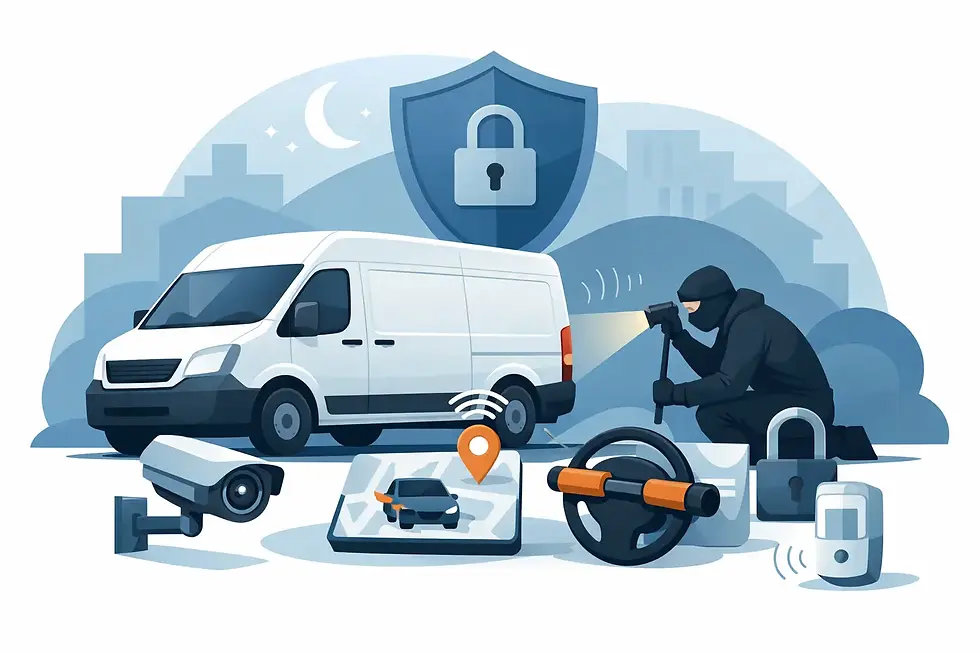
This is one of the most common methods against cargo doors. The thief attacks the edge of the door, the seam, or the lock area with leverage. If the door skin flexes or the latch gives way, entry is quick. A serious lock system needs a solid deadbolt engagement point and hardware that does not rely on thin factory metal alone.
Door peeling on side load doors
Peel attacks are a known weakness on commercial vans. The upper corner or edge of the sliding side door is pulled away to create enough gap to release the door. Once that shape is broken, the thief can get inside without touching the main lock in the usual way. This is where anti-peel protection becomes just as important as the lock itself.
Electronic compromise of central locking
Modern vans are convenient, but convenience creates another attack path. If a thief interferes with the factory locking system or gains access through it, a separate deadbolt that stays engaged gives you another layer. That is the value of lock independence. It buys time and forces a much louder, longer attack.
The difference between visible locks and concealed security
A lot of van owners assume a large external lock must be stronger because they can see it. That is not always true. Visible hardware can create obvious attack points. It tells the thief where to hit and where the mechanism sits.
Concealed systems have a different advantage. They do not advertise the locking point from outside, and they do not give a thief a neat target. For working vans, that matters. If the lock is engineered inside the door structure and tied into a proper deadbolt arrangement, it can offer stronger protection without turning the side of the van into a guide for forced entry.
That said, it depends on the design. Concealed only helps if the actual materials, engagement depth, and fixing method are strong enough. Thin brackets and generic hardware are not enough just because they sit out of sight.
What to look for in a Mercedes Sprinter security lock
If you are comparing options, skip the generic claims and look at how the lock is built. Start with material thickness and deadbolt construction. A security lock for a working Sprinter should use heavy-duty steel components, not light accessory-grade parts.
Then look at independence. A separate locking system is a major advantage because it still secures the door if the OEM lock is attacked. Remote controlled deadbolt systems can make daily use easier, especially on fleet vans or multi-stop routes, but convenience only counts if the bolt remains a true physical barrier.
Fitment matters too. A lock designed specifically for the Sprinter door layout will usually install cleaner and perform better than universal hardware. Poor fit creates weak mounting, bad alignment, and extra stress on the mechanism over time.
You should also consider whether the system addresses one door or the full threat pattern. A deadbolt on the rear door helps, but if the side load door remains vulnerable to peeling, the van still has an open route. Security works best when the lock and the reinforcement are matched to the way thieves actually attack the vehicle.
Why anti-peel protection matters on Sprinters
A lock can be strong and the van can still be vulnerable if the door skin or edge is easy to deform. That is why anti-peel brackets matter. They reinforce the area thieves try to pull apart, helping the door hold its shape under attack.
On a Mercedes Sprinter security lock setup, anti-peel hardware should not be treated as an optional extra if the side load door is carrying value behind it every day. The lock stops opening. The anti-peel protection helps stop the attack from creating the gap in the first place. Those are two different jobs, and both matter.
For vans used by electricians, plumbers, HVAC techs, telecom engineers, and mobile repair crews, side load access is often constant. That means side load vulnerability is constant too. Protecting that area is not overkill. It is basic risk control.
Installation matters more than most buyers think
Even strong hardware can be compromised by poor installation. Misalignment, weak fastener choice, or excessive modification to the door structure can all reduce performance. That is why installation-ready systems with model-specific design are worth serious attention.
A cleaner install usually means more reliable bolt engagement and less chance of user error. It also matters for working vans because downtime in the shop has a cost. If a system is designed to fit the Sprinter properly with minimal guesswork, that saves time and reduces the chance of callbacks.
Plug-and-play electrical integration can also be a real benefit on remote-operated systems. Less cutting and fewer improvised connections generally mean fewer faults later. But again, convenience only helps if the core mechanical security is right.
Cost, insurance, and the real value equation
Some buyers still hesitate because they compare a security lock to the price of a standard accessory. That is the wrong comparison. A Mercedes Sprinter security lock should be measured against theft loss, downtime, replacement cost, and disruption to work.
If your van carries thousands of dollars in tools, one successful break-in can cost more than the lock system several times over. Add missed jobs and insurance headaches, and the math gets blunt very quickly. For fleet operators, multiply that risk across several vehicles and the case gets stronger.
There is a trade-off, of course. The strongest systems are not the cheapest, and not every van needs the exact same setup. A courier van carrying low-value goods may have a different risk profile than a contractor van packed with power tools and testing equipment. The right level of protection depends on what you carry, where you park, how long the van sits unattended, and which doors are used most.
Choosing the right setup for your work van
For most owners, the best answer is not a single product but a matched approach. A dedicated deadbolt for cargo doors, anti-peel protection where the side door is vulnerable, and a system that does not rely entirely on factory locking gives the Sprinter a much harder security profile.
That is the logic behind specialist van security engineering. The goal is not to make a van look protected. The goal is to make forced entry slower, louder, and far less likely to succeed. Van Security Systems builds around that principle with independent deadbolt hardware and anti-peel protection designed for real theft methods, not showroom language.
If you use your Sprinter to earn a living, treat security as part of keeping the van operational, not as an accessory. The right lock setup will not just protect tools. It will protect your next job, your schedule, and your ability to keep moving when a thief was counting on an easy door.


Comments